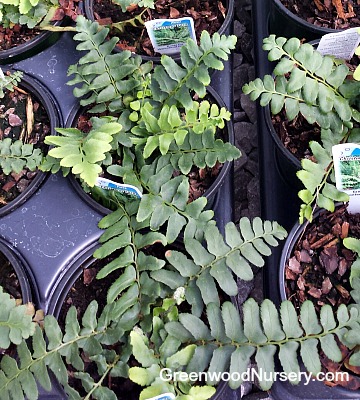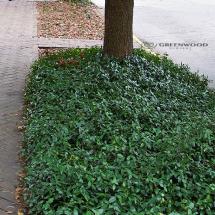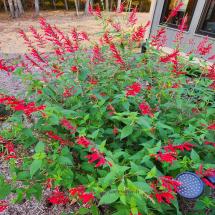
Christmas Ferns ship as #1's, Large size tubers, bare root properly packaged for freshness.
Picture courtesy of the Hardy Fern Foundation
Orders shipping to the following states: AZ, CA, CO, ID, MT,
NV, OR, UT, WA, and WY are subject to a 20% handling charge due to additional plant preparation and shipping surcharges.
Christmas ferns, Polystichum acrostichoides, have leathery, dark green, lance-shaped evergreen leaves. Christmas ferns are useful in dried arrangements. Plant the evergreen Christmas ferns in humus-rich, loamy, moist but well-drained soil in part to full shade. One of the few evergreen ferns, Christmas ferns will tolerate a fair amount of sunlight if the soil is kept reasonably moist.
The evergreen Christmas ferns are clump forming and can be divided in spring, replanting the rhizomes just below the soil.
Landscape uses: Christmas ferns make wonderful evergreen accents in the shade garden. Plant them with hostas, astilbe, bleeding hearts, foam flowers (Tiarella), lungworts (Pulmonaria), Tradescantia, and Tricyrtis.
Planting and caring for bare root ferns, evergreen ferns and container ferns:
Fern plants grow mostly in lightly shaded to fully shaded areas. They prefer moist, rich humus soil with a slightly acid pH (5.3 to 5.5 pH range). Sphagnum peat moss is good to add to the soil for holding moisture and will add some acid to the soil as it decomposes.
The hole should not only be large enough to hold the tuber, but allowing at least an inch or two from the top of the tuber to the top of the hole. The smaller ferns, such as Maidenhair fern, can be planted about 18 to 24 inches apart. The edible Ostrich ferns, Christmas ferns and Royal Ferns grow larger and should be planted no closer than 24 inches apart.
Top with a good layer of mulch (shredded bark mulch, aged compost or aged manure mix) or a light layer of straw for added moisture and to keep the ground cool. Water as needed to keep the soil moist. As the ground warms in late spring, the fronds will begin sprouting.
Deciding which end of the tuber is up can be daunting. Sometimes the tip is visible on the top portion and other times there will be root hairs extending from the bottom. If in doubt, the tuber can be planted in a sideways position.
Cutting the fall die back to the ground and applying a fresh layer of mulch will help to protect the fern tubers from popping out of the ground over winter freeze/thaw cycles as well as from squirrels or other critters digging them up for winter food.
People
who have purchased this product have also purchased these:
Bio-Pak Fertilizer is a slow release 2 year Fertilizer. Bio-Pak fertilizing packs make a great starter plant food that feeds your plants for up to two years. Use 1 pack per plant.
Maidenhair Ferns, Adiantum pedatum, are pretty and delicate. Their wiry, purple-brown petioles and feathery, circular fronds grow outward in a flat, fan-like position. Maidenhair Fern's are slow spreading and non-invasive ferns. Shade loving fern.
Willow French Pussy or Salix caprea, French Pussy Willows are large upright growing shrubs or multi-stemmed small flowering trees. The large, fuzzy, silvery catkins open in late winter or very early spring. A choice garden plant for cutting garden.