Free gardening gloves when you spend $75.00 or more!
Description
Potted Ostrich Ferns Available here at Greenwood Nursery
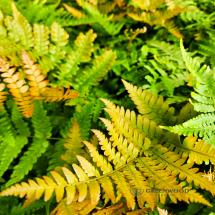
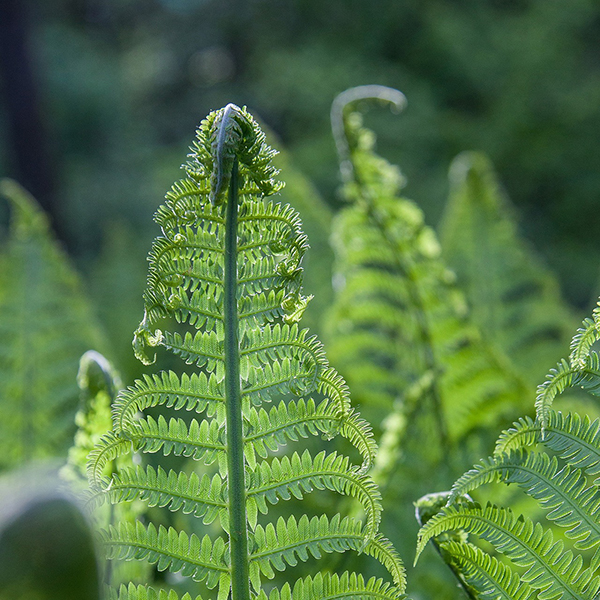
Ostrich Ferns have large, dark green fronds with a vase shaped growth. You will find these ferns as charming tropical looking fern for specimen use. Matteuccia struthiopteris, an edible fern has fertile fronds that arise 6 to 12 inches in the center of the clump around midsummer, turning brown by fall. Be cautious on placement, as Ostrich Ferns are fast growing ferns that are aggressive spreading plants so do choose planting areas wisely.
Renowned for their fiddleheads that emerge in spring which are clipped off and eaten in a wide variety of delicious culinary dishes.
How to Grow Ostrich Ferns:
These tall growing Ostrich ferns are native to marshy areas, little islands, and deltas of shallow streams and creeks. Plant them in humus-rich, moist soil in part to full shade. Great for bog gardens. Plants will tolerate some sun, but will need much more moisture to keep them looking good into late summer. Matteuccia struthiopteris plants grow from dense, underground runners that spread out in every direction. Crowns can be dug up and replanted in the spring and early summer, planting them right at the level of the soil.
Landscape uses: Ostrich ferns make excellent background plants in the shade garden. Plant them with hostas and other tough perennials and shrubs. Thin plants out as necessary. If you don't want them to take over a garden, restrict them to large areas or areas where their spreading can be controlled.
Shipping
Ostrich Ferns is available in 2 sizes:
- Pint Pot
- Quart Pot
Plants shipping to CA and AZ addresses may be bare rooted before being prepped for shipping.
- Category: Perennials, Perennial Plants, Ferns
- Plant Type: Deciduous
- Light Requirement: Partial, Full Shade
- Soil Condition: Moist, Wet
- Mature Height: 4 - 5ft
- Growth Rate: Fast-Growing
- Planting Zone: 2, 3, 4, 5, 6, 7, 8
| Quantity | 1 - 5 | 6 - Unlimited |
|---|---|---|
| Price | $12.95 | $11.85 |