




You will not be allowed to compare more than 4 products at a time
View compareProduct
Persimmon Tree
Persimmon Tree
Regular price
$22.95 USD
Sale price
$22.95 USD
Regular price
Unit price
per
Only 11 left in stock!
SKU: PERSIM QT-1
| Category | Details |
|---|---|
| Plant Type | Deciduous |
| Light Requirement | Full Sun, Partial |
| Soil Condition | Well Drained, Moist |
| Bloom Season | Spring |
| Mature Height | 30 - 50ft |
| Growth Rate | Medium-growing |
| Planting Zone | 4, 5, 6, 7, 8, 9 |
Sub total:
$22.95Share
Couldn't load pickup availability
Description
Planting Instructions
Shipping Information
Reviews
Description
Buy Now: Grow Delicious Persimmon Trees (Diospyros virginiana)!
Why Choose Persimmon Trees (Diospyros virginiana)?
Persimmon is a deciduous tree that is native to the Eastern and Midwest regions of the US. While this native fruit tree is usually dioecious, meaning it requires a male and female tree to fruit, some trees have 'perfect flowers' and are able to self-pollinate, though most do not. To identify male and female persimmon trees, the male produces flower clusters while the female produces single flowers in spring.
Key Benefits of Persimmon Trees:
-
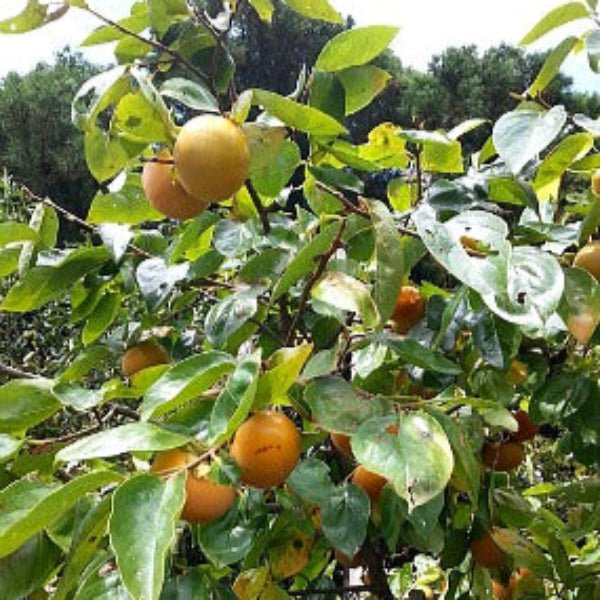
Delicious Fruit: The small persimmon fruit matures in fall and can hang onto the tree well into winter. The fruit is used to make jelly, syrup, and pies.
-
Aromatic Leaves: Persimmon tree leaves make excellent teas.
-
Versatile Wood: Part of the ebony family, the wood is hard and often used in making golf club heads, shoe molds, and billiard or pool cue sticks.
-
Ornamental Use: This tree is also grown as an ornamental tree for parks and large lawn areas.
Growing Tips for Persimmon Trees:
-
Sunlight: Best grown in full sun with wind protection.
-
Soil Requirements: Prefers slightly acidic soil (pH 5.5 to 7) with good drainage.
-
Watering: Water well, especially during the first 2 years after transplanting to promote root growth.
-
Pollination: Requires a second tree that is genetically separate for cross-pollination. For good pollination, purchase at least two plants.
Additional Information:
-
Fruiting: Persimmon trees generally begin fruiting when they reach roughly 6 feet in height, which can take approximately 5 to 7 years.
-
Wildlife Attraction: The fruiting tree is a favorite with hunters in establishing food plots for deer and turkey.
Order Your Persimmon Trees Today! Grow one of the few native and deciduous trees that produce delicious tropical-tasting fruit in a temperate climate. Transform your garden with the unique flavor and aroma of Persimmon trees.
Shipping Information:
-
Available Size: Persimmon trees are grown and ship in one quart size pots.
-
Shipping Note: This plant cannot ship into CA or AZ addresses.
Enhance Your Garden Today! Don’t miss out on the opportunity to add the unique and aromatic Persimmon trees to your garden. Their delicious fruit, aromatic leaves, and versatile wood make them a must-have for creating a delightful and productive landscape. Order now and elevate your garden with their charm!
Planting Instructions
How Your Plants Are Shipped & Care Instructions
To ensure a seamless transition to your garden, please follow the specific steps below based on the type of plant you ordered:
📦 1. Container-Grown Plants
Our container-grown plants are shipped with fully established root systems nestled in premium potting media.
- Unpack & Water Instantly: Carefully remove the protective packaging and check the soil moisture. Give the pot a thorough watering until moisture runs out the bottom drainage holes.
- Acclimation Period: Place your container plant in a sheltered, partially shaded location for 2 to 3 days to help it recover from transit before moving it to full sun.
- Planting Depth: Plant at the exact same depth it was sitting in its shipping container, gently loosening the outer roots if they are encircling the root ball.
- Moisture Control: Keep the soil consistently damp but never soggy for the first few weeks as the roots expand.
🌱 2. Seedling & Liner Bare-Root Plants
Seedlings and liners are young, vibrant plants shipped without pots to make transit highly efficient.
- Immediate Attention: Unpack immediately upon arrival. If you cannot plant them right away, keep the roots moist and store them in a cool, shaded location out of the wind.
- Hydration First: Soak the roots in a bucket of water for 1 to 2 hours right before planting to wake them up.
- Planting: Spread the roots out naturally in the planting hole. Ensure the crown (where the roots meet the stem) sits right at the soil level. Water thoroughly to settle the soil around the roots.
🌾 3. Groundcover Bare-Root Plants
Groundcover bare-root bundles (like Vinca minor or Sedum) are shipped dormant or semi-dormant, ready to take off once in the ground.
- Check Moisture: Open the bundle immediately. The packing material around the roots should be damp. If planting is delayed a day or two, lightly mist the roots to keep them from drying out.
- Soak Before Planting: Soak the root systems in water for about an hour before putting them in the ground.
- Spacing & Depth: Plant them at the same depth they were growing previously, firming the soil gently over the roots to eliminate any air pockets. Water heavily right after planting and keep the area consistently moist until established.
Shipping Information
Orders containing only hard goods generally ship right away
as the inventory allows. Those items ship year-round and generally within one
week.
When ordering plants during fall or spring shipping, we will
set your order for the next available shipping week appropriate for your
location. April and May are our busiest months, and sometimes shipping delays
happen. Plants may be processed later than scheduled or the shipping department may get behind. This is not the norm, but it does sometimes happen. Please bear with us if this happens.
Our bare-root (field-grown) trees and shrubs typically arrive at the facility for shipping in November, December, and January (for fall shipping) and in February, March, April, and May (for spring shipping).
An example of month-by-month shipping would be as follows, as plants are available:
January - zones 9 - 10
February - zones 8 - 10
March - zones 7 - 10
April - zones 6 - 10
May - zones 5 - 9
June - zones 3 - 8
July - zones 3 - 7
August - zones 4 - 7
September - zones 5 - 8
October - zones 5 (some areas) - 9
November - zones 6 (some areas) - 10
December - zones 8 - 10