





You will not be allowed to compare more than 4 products at a time
View compareProduct
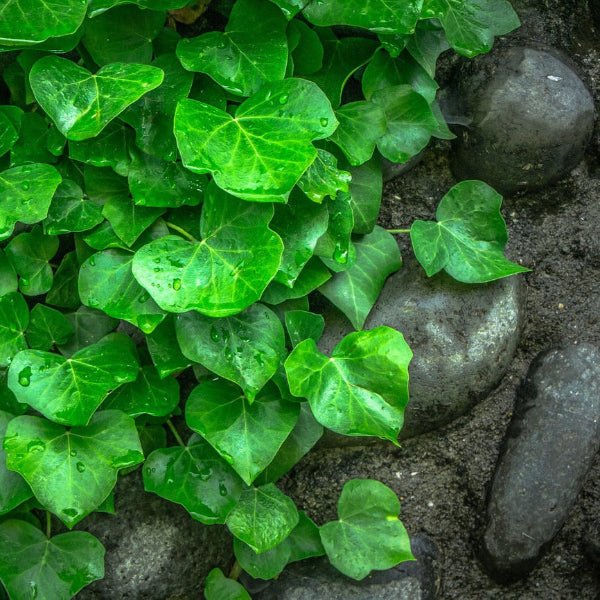
English Ivy
English Ivy
Regular price
$4.95 USD
Sale price
$4.95 USD
Regular price
Unit price
per
Out of stock
SKU: IVY ENG 2.5PT-1
| Category | Details |
|---|---|
| Plant Type | Evergreen |
| Light Requirement | Full Sun, Partial |
| Soil Condition | Moist |
| Mature Height | 6 - 10 ft |
| Growth Rate | Fast-Growing |
| Planting Zone | 3, 4, 5, 6, 7, 8, 9 |
Sub total:
$4.95Share
Couldn't load pickup availability

Description
Planting Instructions
Shipping Information
Reviews
Description
English Ivy (Hedera helix) – Evergreen Groundcover and Climbing Vine for Shade, Slopes, and Vertical Coverage
English Ivy is a hardy, evergreen plant that solves multiple landscape challenges at once. It forms a dense, low‑growing carpet in shaded areas where grass struggles, and it also climbs fences, walls, and trellises to create instant vertical greenery. Its glossy dark green foliage stays attractive year‑round, making it a dependable choice for homeowners who need fast coverage, erosion control, or a low‑maintenance lawn alternative.
Key Features:
• Evergreen foliage that stays lush year‑round
• Grows 8–10 inches tall as groundcover; climbs up to 9 feet as a vine
• Low‑maintenance once established
• Naturally resistant to pests and diseases
• Cold‑hardy and adaptable to many climates
• Fast‑growing for rapid landscape coverage
Common Questions:
• What problem does English Ivy solve? It covers bare, shaded areas, stabilizes slopes, replaces traditional lawns, and hides unsightly structures with evergreen foliage.
• Is it good for shade? Yes, it thrives in partial to full shade and tolerates some sun.
• Will it climb walls or fences? Yes, it naturally clings to vertical surfaces and creates dense coverage.
• Is it drought tolerant? Once established, it requires minimal watering.
• Is English Ivy invasive? It can spread aggressively if not pruned; regular trimming keeps it controlled.
• Can it be used as a lawn substitute? Yes, it forms a thick, low‑maintenance carpet that eliminates mowing and reduces watering needs.
Description:
English Ivy (Hedera helix) is a versatile evergreen plant valued for its ability to grow where many other plants fail. As a groundcover, it forms a dense, weed‑suppressing mat ideal for shaded areas, under trees, and on slopes. As a climbing vine, it quickly covers fences, trellises, and walls, adding instant greenery and softening hardscape edges. Its resilience, adaptability, and year‑round color make it a practical choice for both residential and commercial landscapes.
Planting & Care:
• Spacing: Plant 18 inches apart for dense coverage; 100 plants cover up to 225 sq. ft.
• Soil: Prefers well‑drained soil but adapts to most soil types
• Sun: Partial shade to full shade; tolerates some sun
• Water: Water regularly during establishment; drought‑tolerant afterward
• Fertilizer: Apply a balanced slow‑release fertilizer in spring or amend with aged compost
• Maintenance: Prune as needed to control spread and maintain shape
Seasonal Notes:
• Evergreen foliage provides year‑round interest
• Cold‑hardy and resilient in a wide range of climates
• Fast growth makes it ideal for quick coverage
Ideal Uses:
• Groundcover for shaded areas and slopes
• Climbing vine for fences, walls, and trellises
• Erosion control on banks and hillsides
• Low‑maintenance lawn substitute
• Decorative planters, hanging baskets, and vertical accents
Explore more options in our Evergreen Groundcovers collection.
Order English Ivy:
Transform your landscape with English Ivy from Greenwood Nursery. Its evergreen foliage, fast growth, and versatility make it an excellent choice for covering ground, climbing structures, and creating low‑maintenance green spaces.
Shipping Information:
• Available as bare‑root plants for cost‑effective bulk planting
• Shipped year‑round as stock permits
Related Categories:
• Evergreen Groundcovers
• Fast Growing Groundcovers
• Shade‑Loving Plants
• Erosion Control Plants
Planting Instructions
How Your Plants Are Shipped & Care Instructions
To ensure a seamless transition to your garden, please follow the specific steps below based on the type of plant you ordered:
📦 1. Container-Grown Plants
Our container-grown plants are shipped with fully established root systems nestled in premium potting media.
- Unpack & Water Instantly: Carefully remove the protective packaging and check the soil moisture. Give the pot a thorough watering until moisture runs out the bottom drainage holes.
- Acclimation Period: Place your container plant in a sheltered, partially shaded location for 2 to 3 days to help it recover from transit before moving it to full sun.
- Planting Depth: Plant at the exact same depth it was sitting in its shipping container, gently loosening the outer roots if they are encircling the root ball.
- Moisture Control: Keep the soil consistently damp but never soggy for the first few weeks as the roots expand.
🌱 2. Seedling & Liner Bare-Root Plants
Seedlings and liners are young, vibrant plants shipped without pots to make transit highly efficient.
- Immediate Attention: Unpack immediately upon arrival. If you cannot plant them right away, keep the roots moist and store them in a cool, shaded location out of the wind.
- Hydration First: Soak the roots in a bucket of water for 1 to 2 hours right before planting to wake them up.
- Planting: Spread the roots out naturally in the planting hole. Ensure the crown (where the roots meet the stem) sits right at the soil level. Water thoroughly to settle the soil around the roots.
🌾 3. Groundcover Bare-Root Plants
Groundcover bare-root bundles (like Vinca minor or Sedum) are shipped dormant or semi-dormant, ready to take off once in the ground.
- Check Moisture: Open the bundle immediately. The packing material around the roots should be damp. If planting is delayed a day or two, lightly mist the roots to keep them from drying out.
- Soak Before Planting: Soak the root systems in water for about an hour before putting them in the ground.
- Spacing & Depth: Plant them at the same depth they were growing previously, firming the soil gently over the roots to eliminate any air pockets. Water heavily right after planting and keep the area consistently moist until established.
Shipping Information
Orders containing only hard goods generally ship right away
as the inventory allows. Those items ship year-round and generally within one
week.
When ordering plants during fall or spring shipping, we will
set your order for the next available shipping week appropriate for your
location. April and May are our busiest months, and sometimes shipping delays
happen. Plants may be processed later than scheduled or the shipping department may get behind. This is not the norm, but it does sometimes happen. Please bear with us if this happens.
Our bare-root (field-grown) trees and shrubs typically arrive at the facility for shipping in November, December, and January (for fall shipping) and in February, March, April, and May (for spring shipping).
An example of month-by-month shipping would be as follows, as plants are available:
January - zones 9 - 10
February - zones 8 - 10
March - zones 7 - 10
April - zones 6 - 10
May - zones 5 - 9
June - zones 3 - 8
July - zones 3 - 7
August - zones 4 - 7
September - zones 5 - 8
October - zones 5 (some areas) - 9
November - zones 6 (some areas) - 10
December - zones 8 - 10