



You will not be allowed to compare more than 4 products at a time
View compareProduct
Grosso Lavender
Grosso Lavender
Regular price
$12.95 USD
Sale price
$12.95 USD
Regular price
Unit price
per
Shipping calculated at checkout.
SKU: LAV GRO-1
| Category | Details |
|---|---|
| Plant Type | Evergreen |
| Light Requirement | Full Sun |
| Soil Condition | Dry, Well Drained |
| Bloom Season | Summer, Autumn |
| Bloom Color | Purple |
| Mature Height | 1 - 2 ft |
| Growth Rate | Medium-growing |
| Planting Zone | 6, 7, 8, 9 |
Sub total:
$12.95Share
Couldn't load pickup availability

Description
Planting Instructions
Shipping Information
Reviews
Description
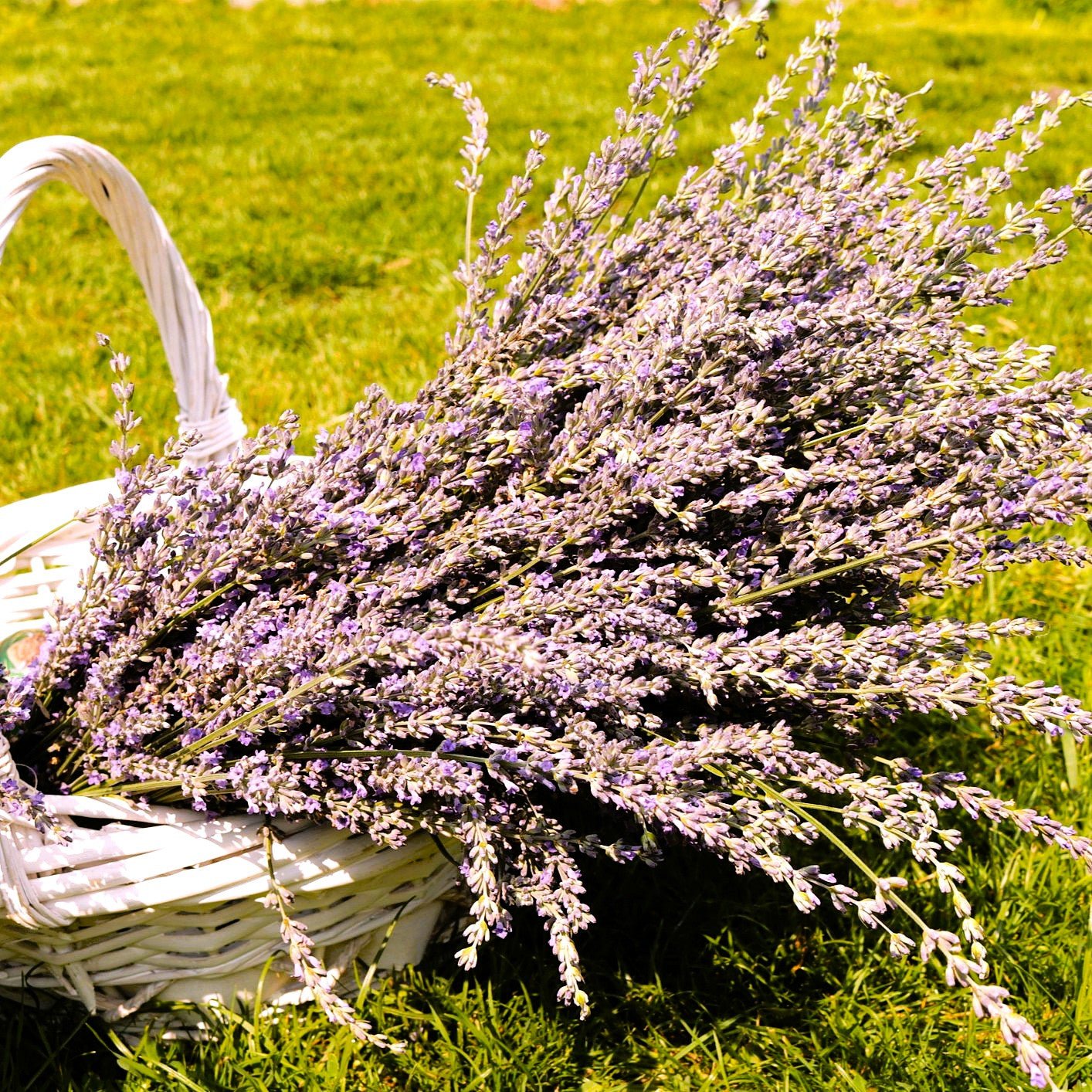
Grosso Lavender (Lavandula ×intermedia ‘Grosso’) is the world’s most widely grown commercial lavender — a Lavandin hybrid (cross of L. angustifolia × L. latifolia) prized above all others for its extraordinary fragrance, exceptional oil yield, and vigorous, heat-tolerant constitution. It produces some of the longest flower spikes of any lavender, rising 18–24 inches on sturdy stems above a compact mound of silver-gray foliage, blooming in deep violet-purple in midsummer and often reblooming lightly into fall. The most cold-hardy of the French hybrid lavenders, highly drought-tolerant once established, and long-lived with minimal care. Hardy in zones 6–9.
Best for: Lavender hedges and borders, fragrance gardens, pollinator and butterfly gardens, cutting gardens, dried flower production, herb gardens, rock gardens, xeriscape plantings, coastal gardens, and any sunny, well-drained site where a large, dramatic, intensely fragrant lavender is needed.
Why Gardeners Choose Grosso Lavender
- The benchmark fragrance lavender: ‘Grosso’ is the variety most used by perfume producers and lavender oil distillers worldwide — its essential oil content is significantly higher than true L. angustifolia varieties, producing a richer, more complex, longer-lasting fragrance. If fragrance is the primary goal, ‘Grosso’ is the standard by which other lavenders are measured.
- Exceptionally long flower spikes: Produces flower spikes 18–24 inches tall — among the longest of any lavender. The deep violet-purple color and dramatic height create a visual impact in the garden that compact varieties cannot match. Outstanding as a cut flower, fresh or dried.
- Most cold-hardy French hybrid lavender: As a Lavandin hybrid, ‘Grosso’ is reliably hardy to zone 6 — making it accessible to a broader range of climates than most large-flowered hybrid lavenders. It combines the vigor and fragrance of its L. latifolia parent with better cold hardiness.
- Heat and drought tolerance: Once established, highly drought-tolerant and performs exceptionally well in hot, sunny, dry conditions. Thrives in coastal, xeriscape, and Mediterranean-style garden settings.
- Major pollinator magnet: The long, nectar-rich spikes are intensely attractive to bees, butterflies, and hummingbirds throughout the bloom season. One of the top pollinator plants available for sunny gardens.
- Long-lived with minimal care: With proper drainage and annual pruning, established plants are remarkably long-lived — 10–20 years is common in well-suited sites. Low fertilizer needs, minimal pest and disease issues.
- Outstanding for cutting and drying: Stems are long, sturdy, and hold color exceptionally well when dried — ideal for wreaths, sachets, potpourri, dried arrangements, and culinary use.
Planting & Care
- Light: Full sun — minimum 6–8 hours of direct sun daily. Lavender will not thrive or bloom reliably in partial shade. Site selection is critical.
- Soil: Well-drained to dry soil is essential. Lavender will not tolerate wet feet or heavy clay — root rot is the primary cause of failure. Amend heavy soils with coarse sand or gravel, or plant in raised beds. Lean, poor soils are preferred over rich, amended ones.
- Mature size: 24–36 inches tall in bloom; 24–30 inches wide.
- Spacing: 24–30 inches apart for individual specimens; 18–24 inches for a lavender hedge or mass planting that fills in over 2–3 seasons.
- Watering: Water regularly during establishment (first growing season). Once established, extremely drought-tolerant — water only during extended dry periods. Overwatering is the most common mistake.
- Feeding: Minimal. A light top-dressing of lime or balanced fertilizer in early spring if growth is slow. Rich fertilization promotes foliage at the expense of blooms and fragrance.
- Pruning: Critical for longevity. Shear by one-third immediately after the main bloom flush — this encourages rebloom and keeps the plant from becoming woody and open at the base. Do not cut into old wood below the green foliage zone. In early spring, remove winter-damaged tips only.
- Air circulation: Plant in open, airy locations. Poor air circulation in humid climates can promote fungal issues — avoid crowding and dense plantings.
Best Uses
- Lavender hedges, borders, and mass plantings
- Fragrance and sensory gardens
- Cutting and dried flower gardens
- Pollinator, butterfly, and bee gardens
- Herb and kitchen gardens
- Rock gardens and gravel gardens
- Xeriscape and drought-tolerant plantings
- Coastal garden plantings
- Container and patio gardens in full sun
- Low hedges and garden dividers
Grows Best In
- USDA Zones: 6–9
- Climate notes: Thrives in the Pacific Northwest, California, Mid-Atlantic, Southeast, and Southwest. Performs best in climates with dry summers and good winter drainage. In zone 6, mulch lightly around the base for winter protection. In humid climates (zones 7b–9 Southeast), prioritize excellent drainage and air circulation to prevent root and crown issues.
Problem Solved
Grosso Lavender solves the challenge of finding a large, dramatic, intensely fragrant perennial for hot, dry, sunny sites where most plants struggle — poor soil, slopes, gravel gardens, and south-facing exposures where moisture-loving plants fail. It also solves the lavender fragrance question definitively: no other lavender matches ‘Grosso’ for essential oil richness and staying power, whether used fresh in the garden or dried for sachets and crafts.
For a companion that extends the lavender season earlier into summer with a more compact, tidier habit, pair with Hidcote Blue Lavender — a true L. angustifolia that blooms 2–3 weeks earlier than ‘Grosso’ and provides back-to-back lavender color and fragrance through the season.
Pro Tip
The single most important factor for success with ‘Grosso’ is drainage — plant it where water never puddles, even briefly. In heavy or clay soils, build a raised bed or mound 6–8 inches above grade with a lean, gritty mix (50% topsoil, 50% coarse sand or pea gravel) rather than rich amended soil. For a complete lavender collection that covers different bloom times, sizes, and uses, add Munstead Lavender — an early-blooming, compact true English lavender that pairs beautifully with ‘Grosso’ as a low edging in front of the taller Grosso mass.
Shipping Information
- Ships as container-grown plants — available in pint and quart pots.
- Ships to all 48 contiguous states with no restrictions.
Frequently Asked Questions
What makes ‘Grosso’ different from English lavender?
‘Grosso’ is a Lavandin hybrid (L. angustifolia × L. latifolia) rather than a true English lavender. It is larger, more vigorous, and produces significantly more essential oil with a stronger fragrance than L. angustifolia varieties. It blooms later (midsummer vs. early summer for English types) and is sterile — it does not set seed. Its greater size and fragrance make it the top choice for cutting, drying, and fragrance production.
Why is drainage so important?
Lavender roots are highly susceptible to rot in wet, heavy, or poorly drained soils. The plant evolved in rocky, dry Mediterranean hillsides — it is physiologically adapted to survive drought but not to tolerate wet roots. Poor drainage is the leading cause of lavender death in gardens. If your soil holds moisture, amend heavily or plant in raised beds.
When should I prune it?
Prune by one-third immediately after the main bloom flush — typically late July to August. This encourages a second flush and prevents the plant from becoming woody and open. In early spring, remove only winter-damaged tips. Never cut into bare, old wood below the green foliage zone or the plant may not recover.
Can I use it for culinary purposes?
Lavandin hybrids including ‘Grosso’ have a higher camphor content than true English lavender (L. angustifolia), which gives a slightly more medicinal flavor in culinary applications. For baking and cooking, true English lavender such as Munstead is generally preferred. ‘Grosso’ is excellent for sachets, dried arrangements, and fragrance — and can be used culinarily in small quantities.
What lavenders pair well with ‘Grosso’?
Hidcote Blue Lavender blooms earlier and provides back-to-back color when planted alongside ‘Grosso’. Munstead Lavender is a compact early bloomer that works beautifully as a low edging in front of a ‘Grosso’ mass planting — covering earlier bloom times while ‘Grosso’ provides the peak midsummer fragrance display.
Related Collections
Planting Instructions
How Your Plants Are Shipped & Care Instructions
To ensure a seamless transition to your garden, please follow the specific steps below based on the type of plant you ordered:
📦 1. Container-Grown Plants
Our container-grown plants are shipped with fully established root systems nestled in premium potting media.
- Unpack & Water Instantly: Carefully remove the protective packaging and check the soil moisture. Give the pot a thorough watering until moisture runs out the bottom drainage holes.
- Acclimation Period: Place your container plant in a sheltered, partially shaded location for 2 to 3 days to help it recover from transit before moving it to full sun.
- Planting Depth: Plant at the exact same depth it was sitting in its shipping container, gently loosening the outer roots if they are encircling the root ball.
- Moisture Control: Keep the soil consistently damp but never soggy for the first few weeks as the roots expand.
🌱 2. Seedling & Liner Bare-Root Plants
Seedlings and liners are young, vibrant plants shipped without pots to make transit highly efficient.
- Immediate Attention: Unpack immediately upon arrival. If you cannot plant them right away, keep the roots moist and store them in a cool, shaded location out of the wind.
- Hydration First: Soak the roots in a bucket of water for 1 to 2 hours right before planting to wake them up.
- Planting: Spread the roots out naturally in the planting hole. Ensure the crown (where the roots meet the stem) sits right at the soil level. Water thoroughly to settle the soil around the roots.
🌾 3. Groundcover Bare-Root Plants
Groundcover bare-root bundles (like Vinca minor or Sedum) are shipped dormant or semi-dormant, ready to take off once in the ground.
- Check Moisture: Open the bundle immediately. The packing material around the roots should be damp. If planting is delayed a day or two, lightly mist the roots to keep them from drying out.
- Soak Before Planting: Soak the root systems in water for about an hour before putting them in the ground.
- Spacing & Depth: Plant them at the same depth they were growing previously, firming the soil gently over the roots to eliminate any air pockets. Water heavily right after planting and keep the area consistently moist until established.
Shipping Information
Orders containing only hard goods generally ship right away
as the inventory allows. Those items ship year-round and generally within one
week.
When ordering plants during fall or spring shipping, we will
set your order for the next available shipping week appropriate for your
location. April and May are our busiest months, and sometimes shipping delays
happen. Plants may be processed later than scheduled or the shipping department may get behind. This is not the norm, but it does sometimes happen. Please bear with us if this happens.
Our bare-root (field-grown) trees and shrubs typically arrive at the facility for shipping in November, December, and January (for fall shipping) and in February, March, April, and May (for spring shipping).
An example of month-by-month shipping would be as follows, as plants are available:
January - zones 9 - 10
February - zones 8 - 10
March - zones 7 - 10
April - zones 6 - 10
May - zones 5 - 9
June - zones 3 - 8
July - zones 3 - 7
August - zones 4 - 7
September - zones 5 - 8
October - zones 5 (some areas) - 9
November - zones 6 (some areas) - 10
December - zones 8 - 10