
You will not be allowed to compare more than 4 products at a time
View compareShowing 1-4 of 28 Results
-
Growth Rate: Medium-growingLight Requirement: Full SunLight Requirement: PartialMature Height: 2 - 3ftPlanting Zone: 5Planting Zone: 6Planting Zone: 7Planting Zone: 8Planting Zone:4Sold out
Echinacea Mellow Yellows Coneflower
Regular price $12.95 USDSale price $12.95 USD Regular priceUnit price / per -
Growth Rate: Fast-GrowingLight Requirement: Full SunLight Requirement: PartialMature Height: 1 - 2ftPlanting Zone: 3Planting Zone: 5Planting Zone: 6Planting Zone: 7Planting Zone: 8Planting Zone: 9Planting Zone:4
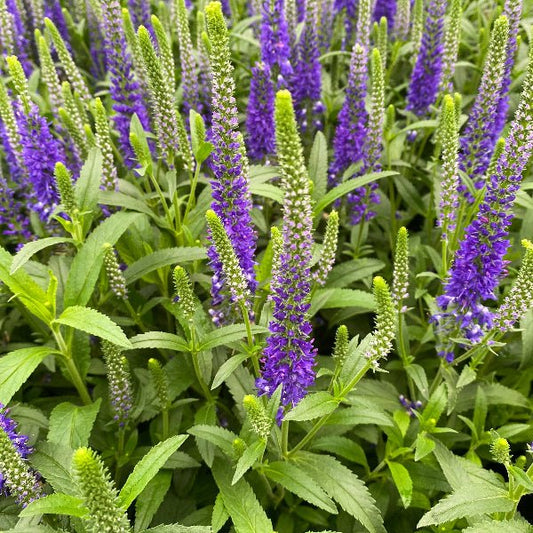
Veronica spicata Royal Candles
Regular price $12.95 USDSale price $12.95 USD Regular priceUnit price / per -
Light Requirement: Full SunLight Requirement: PartialMature Height: 10 - 15ftPlanting Zone:3Planting Zone:4Planting Zone:5Planting Zone:6Planting Zone:7Planting Zone:8
American Elderberry Sambucus canadensis
Regular price $9.95 USDSale price $9.95 USD Regular priceUnit price / per -
Growth Rate: Fast-GrowingLight Requirement: Full SunLight Requirement: PartialMature Height: 1 - 2ftPlanting Zone: 5Planting Zone: 6Planting Zone: 7Planting Zone: 8Planting Zone:4Sold out
Grape Gumball Monarda
Regular price $12.95 USDSale price $12.95 USD Regular priceUnit price / per
Attract Bats to Your Garden: Nature's Best Pest Control!
Attracting bats to your garden or property is a fantastic idea, as they are incredibly beneficial creatures! These nocturnal allies primarily help with pest control (eating vast amounts of night-flying insects like mosquitoes, moths, and beetles) and, in some regions, are vital pollinators for various plants, including some important food crops.
The plants that attract bats do so primarily by either:
- Attracting Insects: This is the main strategy for attracting insectivorous bats, which are the most common type of bat in North America and temperate regions. They'll flock to areas abundant with their favorite bug meals.
- Producing Nectar and Pollen: This is for nectivorous (nectar-eating) bats, which are more prevalent in tropical and desert regions (like the American Southwest) and act as key pollinators.
Here's a breakdown of bat-attracting plants and why they work:
Flowers for Bats: Creating an Insect Buffet!
Many of these flowers attract moths and other night-flying insects that bats love to eat. Consider those that are night-blooming or have a strong, sweet fragrance at night – these are beacons for nocturnal insects!
- Purple Coneflower (Echinacea purpurea): A pollinator magnet that attracts a wide range of insects, providing ample food for bats.
- Goldenrod (Solidago sp.): An ecological powerhouse! Native goldenrods support an incredible diversity of native insects, creating a rich food source for bats.
- Yarrow (Achillea millefolium): Its flat-topped flower clusters serve as excellent landing pads for many insects.
- Native Salvia/Sage (Salvia sp.): Many native salvia varieties are rich in nectar, drawing in insects that bats then prey upon.
- Yucca (Hesperaloe sp.): Particularly in arid regions, Yucca flowers can attract nocturnal insects and even some nectivorous bats.
- Sunflower (Helianthus sp.): Their large blooms are popular with a variety of insects throughout the day, ensuring a food supply for insects that bats hunt at night.
- Night-Blooming & Fragrant Flowers (Bonus): Consider adding plants like Moonflower (Ipomoea alba), Evening Primrose (Oenothera biennis), or Flowering Tobacco (Nicotiana alata). These bloom at night and emit strong fragrances, specifically luring the moths and other insects that are prime bat food.
Incorporate Trees & Shrubs: Food and Potential Shelter
Trees and shrubs don't just provide beauty; they form the backbone of a healthy ecosystem that benefits bats.
- Native Oaks (Quercus sp.): "Native trees are biologically rich in terms of invertebrates, and there often are sort of mini ecosystems within the canopy of trees,” explains bat expert, Joe Cord. Oaks host hundreds of species of caterpillars and other insects, which are prime food for bats.
- Dogwood (Cornus sp.): Provides berries for other wildlife and supports various insects.
- Elderberry (Sambucus sp.): Their flowers attract many insects, and the berries are a food source for birds, creating a thriving environment.
- Native Fruit Trees (Prunus sp.): Beyond their fruit for you, they support diverse insect populations that bats will feed on.
Don't forget: Dead trees (snags), if safe to leave standing, can also provide invaluable habitat, including hollows and spaces in the bark where bats can roost during the day.
Important Considerations for a Bat-Friendly Garden:
- Avoid Pesticides: If you're trying to attract bats for pest control, using pesticides defeats the purpose by removing their food source. Embrace organic gardening practices.
- Provide Water: A water source (like a pond or bird bath) can also attract insects and provide a drinking spot for bats.
- Consider a Bat House: While plants attract their food, a bat house provides a safe, warm roosting spot, encouraging them to stay in your area long-term.
By thoughtfully selecting plants and adopting bat-friendly practices, you can create a thriving ecosystem that welcomes these amazing and beneficial creatures to your property!


