
Meet the Plant: Georgia Blue Veronica — A Little Groundcover With a Lot to Offer
Some of the most useful plants in a garden aren’t the biggest or the showiest. They’re the ones that quietly fill the spaces between everything else.
Georgia Blue Veronica (Veronica peduncularis ‘Georgia Blue’) is one of those plants.
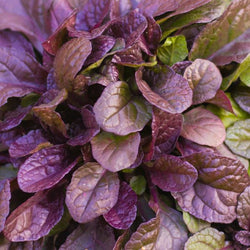
This low-growing perennial forms a spreading carpet of small green leaves topped with brilliant blue flowers in spring. As temperatures cool, the foliage can take on bronze and burgundy tones, giving it interest long after flowering season ends.
It’s small enough to tuck along a pathway or between larger plants, yet colorful enough to make you notice it every spring.
Why Grow Georgia Blue Veronica
Georgia Blue Veronica combines several qualities gardeners often want in a groundcover: low, spreading growth; vivid blue spring flowers; attractive foliage; fall and winter color; easy-care perennial growth; pollinator-friendly blooms; and versatility throughout the landscape.
Rather than creating height, Georgia Blue spreads horizontally, connecting larger plants and softening bare areas of soil. That’s what makes it so useful in established gardens — it fills the spaces that otherwise feel unfinished.
How Big Georgia Blue Veronica Gets
Georgia Blue Veronica stays very low to the ground, usually only 4 to 6 inches tall. Its spreading habit allows it to gradually form a soft carpet of foliage.
This makes it quite different from upright Veronicas grown for tall flower spikes. Georgia Blue is a true groundcover Veronica, valued for covering soil rather than adding height.
Its low profile makes it ideal around plants where you want coverage without blocking anything.
When Georgia Blue Veronica Blooms
Georgia Blue Veronica produces masses of vivid blue flowers in spring, often becoming one of the earliest bursts of color in the perennial garden.
The flowers are small, but there can be so many that an established planting looks washed in blue.
Those early blooms are especially welcome after winter and provide an early-season food source for pollinators.
Evergreen or Semi-Evergreen
Georgia Blue Veronica is evergreen to semi-evergreen depending on climate.
In milder regions, much of the foliage remains through winter. In colder climates, plants may die back before producing fresh spring growth.
One of its nicest seasonal features is the way the foliage responds to cooler temperatures, developing bronze and burgundy tones that add interest even when the flowers are gone.
Sunlight Needs
Georgia Blue Veronica grows best in full sun to partial shade.
Good light encourages dense growth and abundant flowering. In hotter climates, some afternoon shade can help prevent stress.
The goal is simple: enough light to bloom well without exposing the plant to harsh conditions.
Where Georgia Blue Veronica Fits Best
Because it stays so low, Georgia Blue can be used in places where taller perennials simply don’t work.
Try it:
- Along a garden path
- At the front of a perennial border
- In a rock garden
- Around larger perennials and shrubs
- On slopes and banks
- Between stepping stones
- Near patios and sitting areas
This is exactly the kind of plant that makes a sitting area feel connected to the surrounding garden.
Using Georgia Blue Veronica Instead of Mulch
Not immediately — but over time, an established planting can cover exposed soil.
Living groundcovers and mulch serve different purposes. Newly planted Georgia Blue still needs proper soil prep and weed management.
As it spreads, its foliage creates a continuous living layer across the soil. For gardeners who prefer plants over mulch, Georgia Blue becomes an important part of the landscape.
How Georgia Blue Veronica Spreads
Georgia Blue spreads to form a low-growing mat, which is exactly why it works so well as a groundcover.
It doesn’t behave like a clumping perennial that stays put. Give it room to move.
Along borders or walkways, its spreading habit creates the relaxed, slightly overflowing look that makes established gardens feel inviting.
Pollinator Benefits
Its spring flowers attract bees and other early pollinators.
Because Georgia Blue blooms early, it provides nectar when few other plants are flowering. Pairing early bloomers with summer and fall bloomers helps support pollinators throughout the season.
What to Plant With Georgia Blue Veronica
Because it stays close to the ground, Georgia Blue pairs beautifully with plants that offer contrasting height and texture.
Try it with:
- Daffodils and spring bulbs
- Dianthus
- Coreopsis
- Coneflowers
- Nepeta
- Lavender
- Yarrow
- Small ornamental grasses
- Roses
- Flowering shrubs
Spring bulbs are especially fun — they emerge right through the Veronica, bloom above it, and then fade back into the planting.
Maintenance Level
Georgia Blue Veronica is low maintenance once established.
Its naturally low habit means little shaping is needed. Basic care includes proper light, well-drained soil, watering during establishment, and trimming away damaged or untidy growth.
After flowering, a light trim can refresh the plant and encourage fresh foliage.
Quick Answers About Georgia Blue Veronica
Is Georgia Blue Veronica a groundcover? Yes — it is a low-growing, spreading perennial used as a flowering groundcover.
How tall does it grow? Generally 4 to 6 inches tall.
What color are the flowers? Vivid blue, usually in spring.
Does it spread? Yes — it forms a low mat of foliage.
Is it evergreen? Evergreen to semi-evergreen depending on climate, with bronze or burgundy tones in cold weather.
Can it grow in partial shade? Yes — full sun to partial shade.
Is it good for pollinators? Yes — its early flowers support spring pollinators.
Where can it be used? Pathways, front borders, stepping stones, rock gardens, slopes, beneath larger plants, and anywhere a very low flowering groundcover is needed.
Sometimes the Small Plants Make the Garden
A landscape needs its trees, shrubs, and attention-grabbing flowers. But it also needs the plants that connect them.
Georgia Blue Veronica can creep along a walkway, spill around a stone, fill the space beneath taller flowers, or add a patch of brilliant blue just as the garden wakes up in spring.
Those details are often what make a collection of plants feel like a garden.
And that’s why this tiny perennial remains such a useful favorite.
Want to add Georgia Blue Veronica to your landscape? See growing information, available sizes, and current availability for Georgia Blue Veronica at Greenwood Nursery.