Free gardening gloves when you spend $75.00 or more!

Description
Ferns Autumn Brilliance
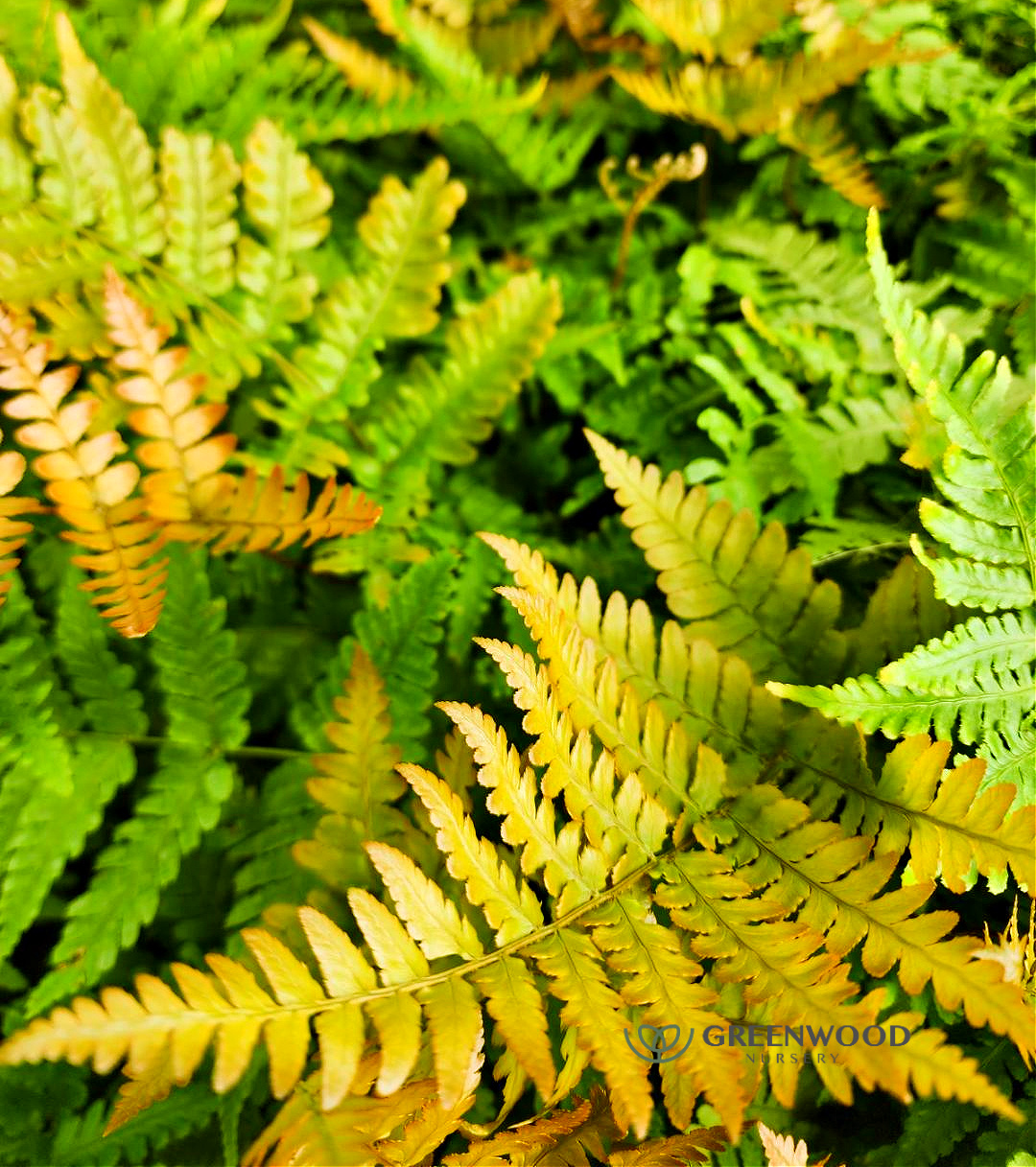
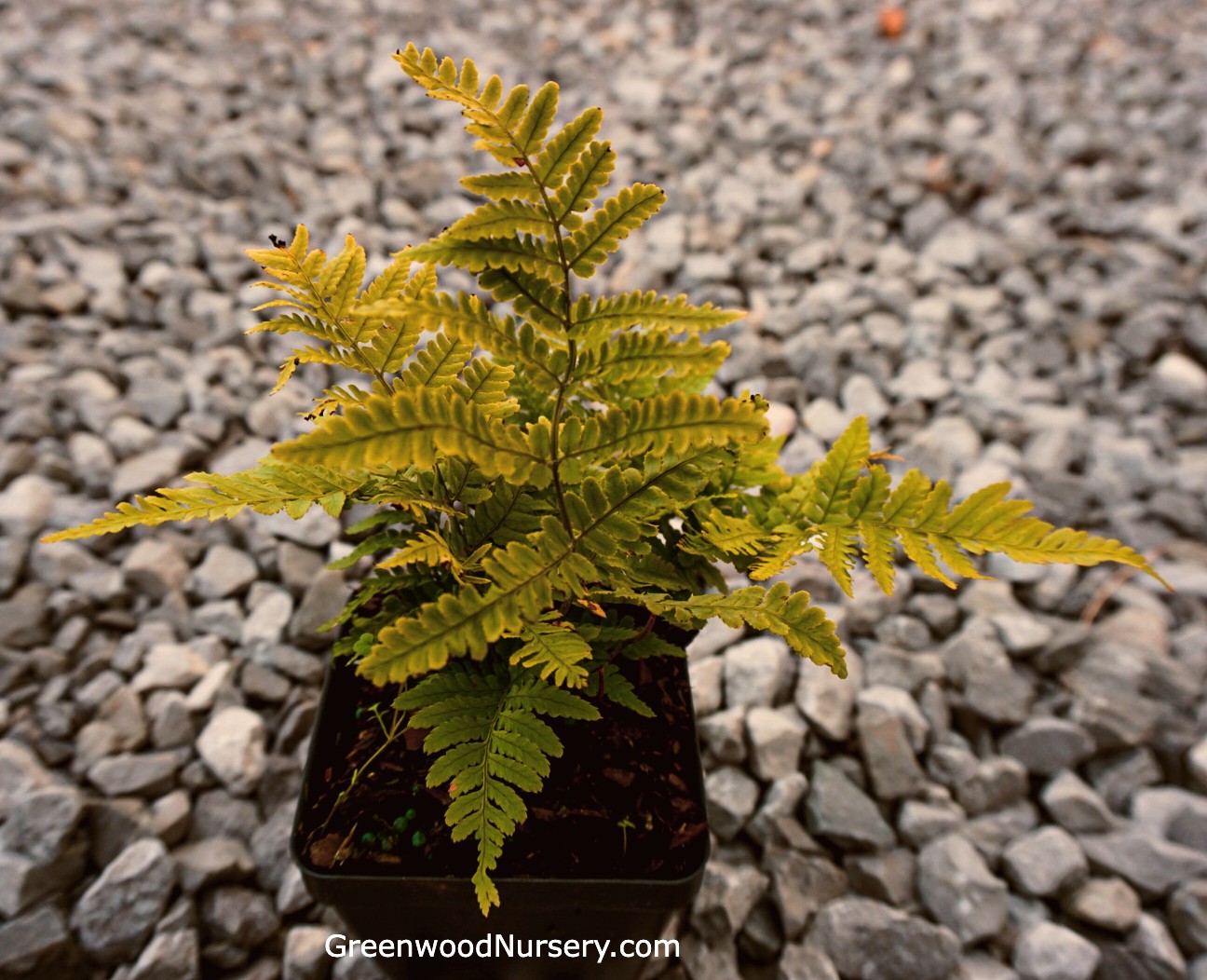
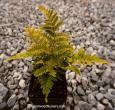
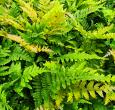
The Autumn Brilliance Ferns are evergreen ferns that change color with every season. This brightly colored ferns is one of the showiest offered in recent years.
Fronds of the Dryopteris erythrosora 'Brilliance' emerge in the spring with beautiful bright copper-bronze color tones, to dark green for summer and back to bronze again, and all on an evergreen habit that looks great in the partly shaded bed or border. Once established, you will find the Autumn Brilliance Fern is virtually self-maintaining and truly eye-catching in any setting.
The Fern Autumn Brilliance reaches 2 feet in height and wide and is one of the few perennials that will grow happily beneath large shade trees or in dry soils. It has a wonderful contrasting effect when planted near a rock or a small pond. This evergreen fern is versatile and can be used for show in pots indoors or for a patio or deck plant. This is a beautiful fern that will be with you season after season.
Fern plants grow mostly in lightly shaded to fully shaded areas. They prefer moist, rich humus soil with a slightly acid pH (5.3 to 5.5 pH range). Sphagnum peat moss is good to add to the soil for holding moisture and will add some acid to the soil as it decomposes. The hole should not only be large enough to hold the tuber, but allowing at least an inch or two from the top of the tuber to the top of the hole. The smaller ferns, such as Maidenhair fern, can be planted about 18 to 24 inches apart. The edible Ostrich ferns, Christmas ferns and Royal Ferns grow larger and should be planted no closer than 24 inches apart.
Shipping
Our Autumn Brilliance Ferns ship in two sizes:
- Pint Potted Plant - 1 Plant
- Quart Pot - 1 Plant
- Gallon Pot - 1 Plant
Plants shipping to CA and AZ addresses will be bare rooted before being prepped for shipping.
- Category: Perennials, Perennial Plants, Ferns, Evergreen Perennials
- Plant Type: Evergreen
- Light Requirement: Partial, Full Shade
- Soil Condition: Well Drained, Moist
- Mature Height: 2 - 3ft
- Growth Rate: Medium-growing
- Planting Zone: 5, 6, 7, 8, 9
| Quantity | 1 - 5 | 6 - Unlimited |
|---|---|---|
| Price | $13.95 | $12.95 |