Greenwood Nursery and Gardens
Member Login : View Shopping Cart : Customer Service
Call to Order! 1-800-426-0958
Search Greenwood
Plant Finder Search
Plant Zone, Plant Type, & More. [Plant Wizard]
Online Catalogue
Fruiting Plants
Garden Supplies
Gardens
Groundcovers
Perennials
Plant Tips
Shrubs
Trees
Home > Fruiting Plants

Growing fruit trees in the home garden can be a very interesting and challenging hobby. Greenwood makes growing fruit trees, fruit vines, and fruit plants easy and affordable with our great fruiting plant selections.

Fruiting Plants and Trees

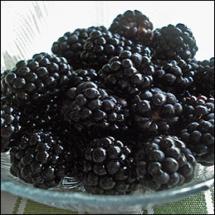
Blackberries
Have ever wanted the taste of fresh, off the plant flavor of the juiciest berries around? Four great varieties of blackberries to choose from, even one for the Deep South, all with excellent sweet flavor. Ships: Fall and spring
Fruit Trees
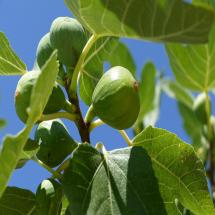
Greenwood's Best Selection of Fruiting trees. The best way to have FRESH is to GROW YOUR OWN! We have Pears, Plums, Peaches, Apples, and Cherry trees at the best prices anywhere. Click here to have a look.
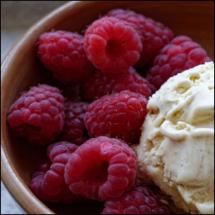
Raspberries
Raspberries are one of the easiest and most rewarding fruits to grow in the home garden. All of our raspberries are mega producing and sweet to the taste. Ships: Fall and Spring. Zones: 3 - 8
Our Featured Fruiting Plants and Trees:

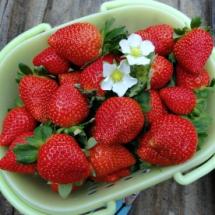
Strawberries
Buy Now   More Info
Red Raspberry Heritage
Buy Now   More Info
On Sale!

There is nothing like the taste of fresh fruit off the vine or off the tree. Grow your own and be assured of what you’re eating. Greenwood makes it easy and affordable with our great fruiting plant selections.

LOOK AT THE BONUS SPECIALS BELOW! As you might imagine, supplies of our most popular plants are somewhat limited and every year we hear from disappointed folks who wished they'd ordered earlier.

  • FREE shipping on any order of $60.00 or more
  • BONUS! Place an order for $110.00 or more and we will send you a special FREE “Thank You” gift valued at $25.00 You will receive two husky peonies (our picks) out of the three most poplar peony varieties. Husky 2-3 eye plants, dug fresh and shipped right with your order!

Site selection is extremely important when planting fruit trees. Sandy loam to loamy, well-drained soil is generally preferred as opposed to heavy clay soil. Plant the trees on a slope, preferably facing northeast or east. Planting in low-lying areas can lead to spring frost pockets and subsequent blossom injury. Early spring frost is a major contributor to poor fruit production. If the flowers become damaged, fruit production is inhibited. Both light intensity and duration are extremely important in fruit production. Many fruit trees require at least six hours of full sun a day in order to yield a large number of high quality fruits. Ensure that the trees receive adequate sunshine and are not in the shade of larger trees, buildings, etc.

If the trees are producing a tremendous amount of green foliage but few flowers and fruits, the likely cause is excess nitrogen in the soil. Also, applying nitrogen fertilizer late in the growing season can lead to poor colour and quality of developing fruits.

Poor weather conditions during flowering can also lead to poor fruit production. Most fruiting plants have specific temperature ranges in which pollen viability and fertilization success are maximized. Deviation from such temperatures often results in low fruit yields.

For trees that are cross-pollinating, insect vectors are often necessary for pollination and subsequent fruit development. Cold, wet and windy conditions during bloom can reduce insect activity in the area. In this situation, the tree will likely produce many flowers but few fruits. Pesticide applications in the area will also reduce the number of insect vectors available for pollination.

Pollination is a key concept in fruit production that must be understood in order to maximize productivity and yield. Only pollinated flowers can bear fruit. Poor pollination, for one reason or another, is often the most probable cause of poor fruit production. Apple trees are cross-pollinators, meaning they require pollen from another apple (of a different variety) in order to produce fruit. In a cross-pollinated system, insect vectors (pollinators) such as honeybees or bumblebees control the transfer of pollen from one plant to another. Pollen sources (pollinizers) can include many different types of apple, or even crabapple. If there are no pollinizers within the recommended distance and flowering at the same time, pollination does not take place and fruits are not formed. Four-in-one apple trees are available that have several varieties of apple grafted onto a single rootstock. This eliminates the need for a second apple or crabapple pollinizer. Including flowering plants that bloom the same time as the fruit tree will help to attract bees and other pollinators. Other cross-pollinating fruit trees include pears and plums. Self-pollinating fruit plants include apricot, nectarine, peach, sour cherry, currant, gooseberry, blueberry, strawberry, raspberry and saskatoon. These crops are self-fertile and do not require an outside pollen source. Therefore, poor fruit production in these crops is more likely attributed to factors such as injury, stress or unfavorable growing conditions.

If fruit trees such as apples, plums, peaches and nectarines are improperly pruned, or are not pruned at all, fruit yield and quality may be reduced. The result is often many, small fruits instead of fewer, larger fruits. Most fruit trees have a particular frame or structure that is most conducive to fruit production. Although maintaining a favorable structure increases productivity, it is imperative that proper techniques are followed so that the tree does not sustain unnecessary injury. This often requires a great deal of knowledge and expertise. In some cases, poor fruit production simply results from the removal of fruit-bearing wood during pruning.

Alternate flowering is a natural, biological phenomenon exhibited by some flowering shrubs and fruit trees. Plants that exhibit an alternate flowering pattern will have alternating "on" and "off" years. They will flower heavily during "on" years but then flower poorly (if at all) during the following "off" year. Some plant species may actually have two repeated "off" years before flowering again. Alternate flowering is especially common in apple and crabapple trees. Basically, a heavy fruit crop in one year will consume a significant proportion of the plant's food reserves at the expense of the next year's flowers and fruit. It has been suggested that hand thinning excess fruits in an "on" year will help to conserve the plant's resources and reduce the occurrence of subsequent "off" years. Otherwise, the best thing to do is avoid varieties that are particularly prone to alternate flowering patterns.

Finally, poor fruit production may simply be a function of the plant's age. For most fruit trees, a certain amount of time is required to become established before fruit production can commence. Some plants may not even flower within the first couple of years. Conversely, older plantings may also exhibit a decline in fruit production, especially if the trees have not been pruned regularly over the years. A good pruning will sometimes revive an old, tired fruit tree. So, before jumping to conclusions about why fruit production is poor, first consider the age of the tree. The cause may simply be immaturity or old age.

Greenwood  Nursery: perennial plants, garden designs, flowering trees, shrubs, vines, and ground covers
Greenwood  Nursery: perennial plants, garden designs, flowering trees, shrubs, vines, and ground covers Greenwood  Nursery: perennial plants, garden designs, flowering trees, shrubs, vines, and ground covers
Greenwood Club
Join Today!
About Us
Useful Links
Testimonials
Customer Care
Privacy Policy
View Cart
Contact Us
Our Guarantee

Steve's Tips
Plant Tips

Greenwood Blog
Greenwood RSS Feed

Greenwood Nursery 1978 - 2008 © Questions or Comments about our site? Email: Webmaster
Greenwood Nursery and Gardens
P.O. Box 686, McMinnville, TN 37111
mail@greenwoodnursery.com
Phone: 1-800-426-0958
Site by Design Garden


Fruiting Plants

Blackberries Fruit Trees Raspberries Strawberries

Garden Supplies

Backyard Nature Products Best Outdoor Furniture Best Pet Houses, Pet Beds, and Pet Furniture Garden Essentials Home Fragrances Lawn and Garden Organic Solutions Pest Control Plant Supplies Vegetable Seeds and Herb Seeds Watering Solutions

Gardens

Bird Lovers Butterfly Gardens Deer Resistant Don Shadow's
Signature Collection
Fast Growing Sun Garden Kurt Bluemel Signature Collection Rock Garden Shade Garden Vegetable Seeds and Herb Seeds Vine Garden Water Garden and Ponds Wildlife Habitat Plants

Groundcovers
Evergreen Groundcover Full Sun to Shade Part sun to full Shade

Perennials

Butterfly and Song-Bird Plants Creeping Phlox Daylilies, Re-Bloomers Ferns, Our Best Value Ferns, Premium Container Grass - Cool Season Grass - Warm Season Herb Garden Hostas Iris STEP–UPS ™ Flowering perennials

Plant Tips
Family Projects Gardening Landscaping Planting and Care Instructions Seasonal Ideas Trouble Areas

Shrubs
An Investment Landscape Bamboo Plants Blue Flowers Butterfly Bushes Crape Myrtles Evergreen Shrubs Flowering Shrub List Fragrant Greenwood Best Sellers! Hedge Roses Hedges and Windbreaks Hydrangeas Low Growers Medium Growers Red Flowers Summer Blooms Tall Growers Tall Growers 10' plus White Flowers Wildlife Winter Interest Yellow Flowers

Trees

Deciduous Trees Evergreen Trees Flowering Trees Fruit Trees Genetically Superior Black Walnut Greenwood Best Sellers! Hedges and Windbreaks Nut Trees